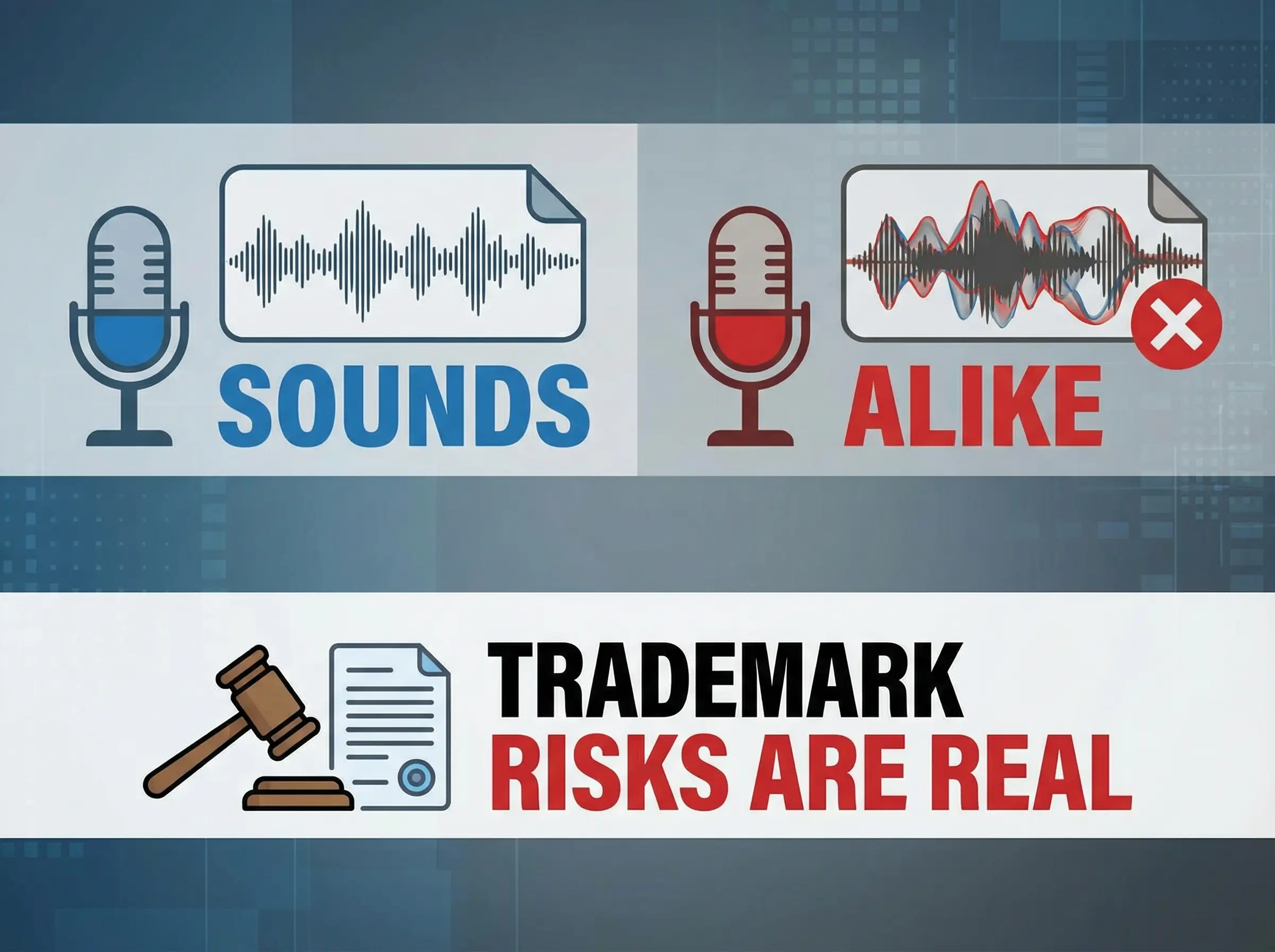
Why Sound Matters in Trademark Risk
Advertisement
When people think about trademark conflicts, they often focus on spelling or visual similarity. Brand names that look different on paper are assumed to be safe. In practice, many trademark refusals and disputes arise from names that sound alike when spoken.
This creates confusion for founders and creators. A name may appear unique visually, yet still raise issues because of how it is pronounced. This article explains why sound-alike risks are taken seriously, how phonetic similarity is evaluated, and why pronunciation alone can trigger concern even when spelling differs.
What “Sounds Alike” Means in Trademark Context
Advertisement
“Sounds alike” refers to phonetic or aural similarity between two brand names. This similarity is assessed based on how names are spoken, not how they are written.
Two names may:
• Look different in spelling
• Share similar pronunciation
• Be easily confused when heard aloud
Trademark systems recognize that consumers often encounter brands verbally—through advertising, recommendations, or conversation. Because of this, sound plays a critical role in how brand identity is perceived.
Why Trademark Law Considers Phonetic Similarity
Need help? Our tools can help you identify potential IP conflicts before they become costly problems.Try a free scan →
Trademark protection is grounded in preventing consumer confusion. Confusion can arise even when names are not visually identical, if consumers hear them as the same or similar.
Phonetic similarity matters because:
• Spoken communication is common
• Accents and pronunciation vary
• Memory of brand names is often auditory
As a result, trademark examiners and courts consider whether an average consumer could mistake one name for another when hearing it spoken.
Advertisement
Why Visual Difference Alone Is Not Enough
A common misunderstanding is that changing spelling eliminates trademark risk. While spelling can matter, it is not decisive on its own.
For example:
• Alternative spellings
• Creative letter substitutions
• Phonetic spelling variations
These changes may reduce visual similarity, but if pronunciation remains close, confusion may still occur. Trademark systems evaluate overall impression, not isolated elements.
This is why names that look distinct can still face objections or disputes.
How Phonetic Similarity Is Evaluated
Advertisement
Phonetic similarity is not judged casually. Trademark analysis typically considers structured factors rather than personal opinion.
These factors often include:
• Pronunciation of the full name
• Emphasis on stressed syllables
• Overall sound and rhythm
• Whether names are likely to be spoken in similar contexts
The goal is not to determine whether names are identical, but whether they are close enough to create confusion in ordinary use.
Need help? Our tools can help you identify potential IP conflicts before they become costly problems.Try a free scan →
The Role of Context and Market Overlap
Sound-alike risk does not exist in isolation. Context matters significantly.
Factors that influence risk include:
• Whether the brands operate in related industries
• Whether consumers encounter both names in similar settings
• Whether the goods or services target similar audiences
Two similar-sounding names may coexist in unrelated markets, while much smaller differences can matter greatly in overlapping spaces.
This contextual analysis explains why some sound-alike names are accepted while others are not.
Advertisement
Why Pronunciation Often Carries More Weight Than Spelling
In many real-world interactions, spelling is invisible. Consumers may hear a brand name:
• In conversation
• On radio or video
• Through word-of-mouth
If pronunciation leads to confusion, spelling differences may not prevent mistaken association. This practical reality is why phonetic similarity is explicitly included in trademark confusion analysis.
Why AI and Online Guides Often Miss This Nuance
Advertisement
Many simplified explanations focus on exact matches or visual similarity because they are easier to explain. Phonetic analysis requires more nuance.
Common oversimplifications include:
• Treating spelling changes as decisive
• Ignoring spoken confusion
• Framing similarity as purely visual
These shortcuts leave users unprepared for how trademark offices actually evaluate names.
Why “Likelihood of Confusion” Includes Sound
Trademark systems often rely on a broader “likelihood of confusion” framework. This framework does not isolate sound from other factors but treats it as a core component.
Sound similarity interacts with:
• Visual similarity
• Meaning or concept
• Market context
A name that differs visually but sounds similar may still fall within this framework, particularly when other factors align.
Advertisement
Why Sound-Alike Risks Are Common in Modern Branding
Modern branding trends increase phonetic risk. Short names, invented words, and minimalist branding often rely on simple sounds.
As a result:
• Many names cluster around similar phonetics
• Creative spellings become more common
• Distinctiveness is harder to achieve
This environment increases the likelihood that sound-alike conflicts will arise, even unintentionally.
Need help? Our tools can help you identify potential IP conflicts before they become costly problems.Try a free scan →
What This Means for Brand Creators
Advertisement
Understanding sound-alike risk helps creators move beyond surface-level assumptions. It clarifies why a name can be challenged even when it appears unique.
Key points include:
• Sound matters as much as appearance
• Confusion can arise from pronunciation alone
• Context and audience shape risk
This awareness reduces surprise when objections or concerns arise during trademark review.
Conclusion: Sound Is a Core Part of Trademark Identity
Trademark systems are designed to reflect how consumers actually experience brands. Because sound plays a central role in communication and memory, phonetic similarity is treated as a serious factor in trademark analysis.
“Sounds alike” risks are real not because names must be identical, but because confusion can arise through pronunciation alone. Understanding this helps explain why trademark evaluations look beyond spelling and consider how names function in real-world use.
For brand creators, the key question is not only how a name looks, but how it will be heard, remembered, and confused in practice.