This website helps you with all infringement checks
Advertisement
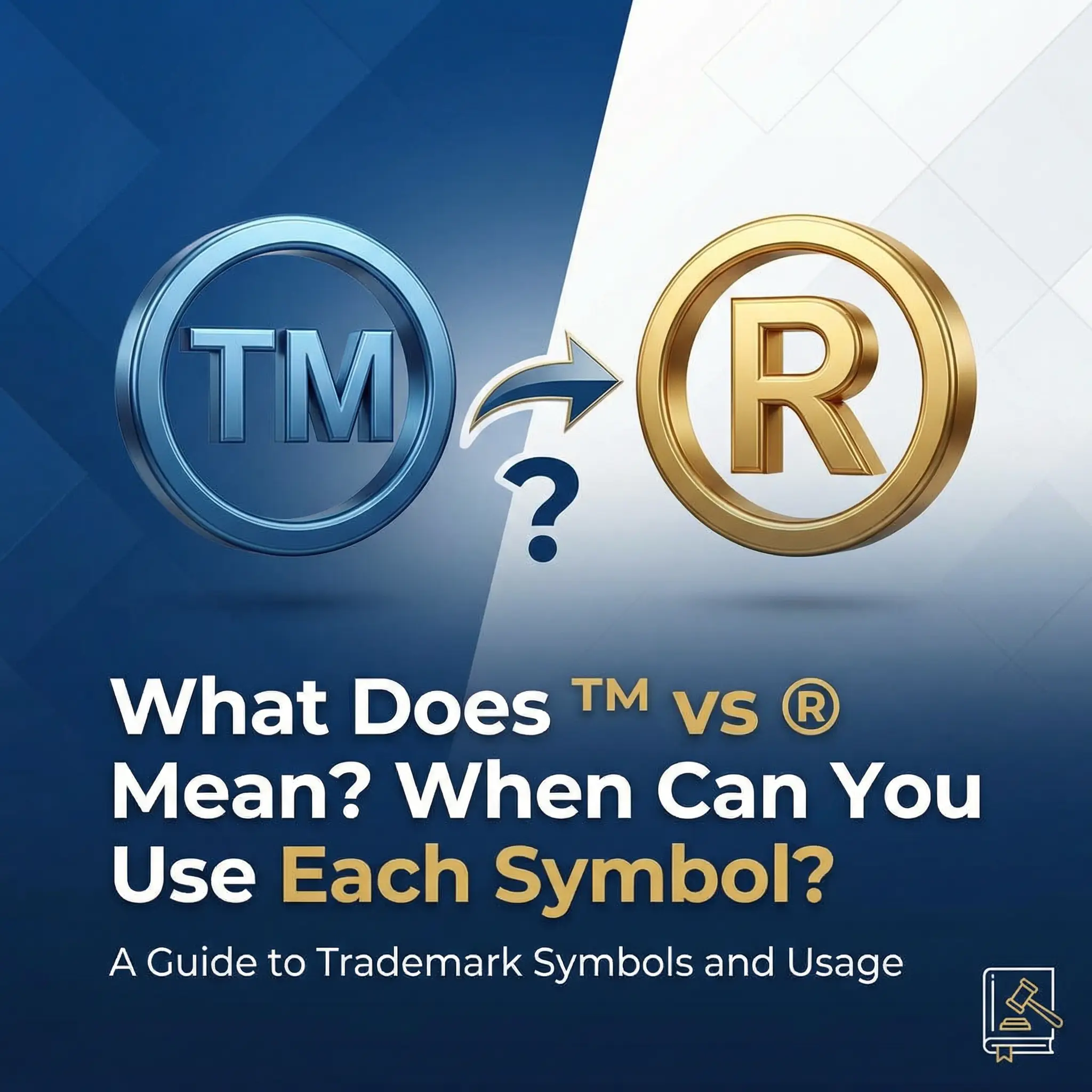
If you've ever wondered whether you can use ™ on your logo right now or when you're allowed to switch to ®, you're not alone. These symbols look similar but have completely different legal meanings—and using the wrong one can range from harmless to illegal.
This guide breaks down exactly what each symbol means, when you can use them, and how to make the right choice for your brand at every stage.
Advertisement
What Does the ™ Symbol Mean?
The ™ symbol stands for "trademark" and indicates that you're claiming rights to a name, logo, or phrase as your brand identifier.
Need help? Our tools can help you identify potential IP conflicts before they become costly problems.Try a free scan →
Here's what makes ™ different:
Advertisement
- No registration required — You can use ™ immediately, even if you've never filed anything with the USPTO or any government office.
- It's a public notice — The symbol tells others "I consider this my trademark," but it doesn't prove you have legal rights.
- Common law rights only — Your protection comes from actually using the mark in commerce, not from the symbol itself.
Common misconception: Many people think ™ requires some kind of filing or fee. It doesn't. You can start using it today on any brand element you're actively using in business.
What Does the ® Symbol Mean?
Advertisement
The ® symbol stands for "registered trademark" and can only be used after your trademark has been officially approved and registered with the United States Patent and Trademark Office (USPTO).
Need help? Our tools can help you identify potential IP conflicts before they become costly problems.Try a free scan →
Key facts about ®:
- Federal registration required — You must have a live, registered trademark with the USPTO. State registrations don't count.
- You need the certificate — You can only use ® after your registration is fully approved, not while it's pending.
- It's federally protected — Unlike ™, the ® symbol indicates nationwide legal rights backed by federal law.
Advertisement
Important: Using ® without a valid federal registration is considered fraud on the USPTO and is a federal offense. While enforcement varies, the law treats it seriously.
What About the ℠ Symbol?
The ℠ symbol stands for "service mark" and works exactly like ™—but for services instead of physical products.
Advertisement
Examples:
- ™ → Used for product brands (clothing line, software, food products)
- ℠ → Used for service brands (consulting firm, cleaning service, marketing agency)
The legal rules are identical. You can use ℠ immediately without registration, and it indicates common law rights just like ™.
Advertisement
Reality check: Most businesses simply use ™ for everything, and that's perfectly fine. The distinction rarely matters in practice.
Can I Use ™ Without Registering My Trademark?
Need help? Our tools can help you identify potential IP conflicts before they become costly problems.Try a free scan →
Yes, absolutely. You can start using the ™ symbol right now without filing anything or paying any fees.
Advertisement
What ™ does for you:
- Signals to others that you're claiming the name/logo as your brand
- May deter casual copycats (though it doesn't guarantee legal protection)
- Shows you're aware of trademark concepts
What ™ doesn't do:
Advertisement
- It doesn't create legal rights (those come from actual use in commerce, not the symbol)
- It doesn't prevent others from registering a similar mark federally
- It doesn't make disputes easier to win without federal registration
Need help? Our tools can help you identify potential IP conflicts before they become costly problems.Try a free scan →
Bottom line: ™ is a free tool that costs nothing and communicates intent. It won't hurt you, but it's also not a legal shield on its own.
When Can I Use the ® Symbol?
Advertisement
You can use ® only after:
- You've filed a trademark application with the USPTO
- The USPTO has approved your application
- Your registration certificate has been issued
You cannot use ® if:
Advertisement
- Your application is still pending (even if it looks likely to be approved)
- You only have state-level registration
- You used to have federal registration but it expired or was canceled
Timeline reality: From filing to approval typically takes 8-12 months, sometimes longer. The moment you receive your registration certificate, you can switch from ™ to ®.
What Happens If I Use ® Without Registration?
Advertisement
Using the ® symbol without a valid federal registration is illegal under U.S. trademark law. It's considered fraud on the USPTO.
Potential consequences:
Need help? Our tools can help you identify potential IP conflicts before they become costly problems.Try a free scan →
- Your application can be rejected — If you're in the process of applying and you use ® prematurely, the USPTO may refuse your application.
- Legal liability — Competitors or the USPTO can challenge your use. Penalties can include fines and loss of trademark rights.
- Loss of credibility — If discovered, it damages your brand's reputation and legal standing.
Advertisement
Enforcement reality: While the law is strict, casual misuse (like using ® on a small business website before approval) is rarely prosecuted unless someone complains or you're in a legal dispute. That said, the risk isn't worth it—just use ™ until your registration is official.
Do I Have to Use ™ or ® Symbols at All?
No. Using trademark symbols is completely optional in the United States.
Advertisement
Many major brands don't use these symbols consistently (or at all), and it doesn't affect their legal rights. Your trademark protection comes from:
Need help? Our tools can help you identify potential IP conflicts before they become costly problems.Try a free scan →
- Using the mark in commerce (for common law rights)
- Federal registration (for ® rights)
The symbols are helpful for clarity and deterrence, but they're not required by law.
Advertisement
When symbols help most:
- New brands trying to establish legitimacy
- Industries with frequent trademark disputes (apparel, tech, entertainment)
- Brands operating nationally or planning to scale
- Situations where you want to signal "this is protected" to competitors
When Should I Switch From ™ to ®?
Advertisement
You should switch from ™ to ® as soon as you receive your official trademark registration certificate from the USPTO.
Strategic timing:
- Pre-launch or testing phase → Use ™ (or nothing)
- Filed application, waiting for approval → Keep using ™
- Registration approved → Switch to ®
- Scaling nationally or seeking investment → Federal registration (and ®) adds credibility
Advertisement
Practical tip: You don't need to use ® on every single mention of your brand. Many companies use it on the first prominent mention (like on their homepage or product packaging) and omit it elsewhere.
What to Avoid
Need help? Our tools can help you identify potential IP conflicts before they become costly problems.Try a free scan →
Don't use ® if:
Advertisement
- Your trademark application is still pending
- You only have a state registration (® requires federal USPTO registration)
- Your registration expired and you haven't renewed it
Don't assume ™ protects you:
- ™ doesn't prevent others from using similar marks
- It doesn't give you nationwide rights (common law protection is limited to where you're actually doing business)
- It won't help much in a legal dispute without federal registration backing it up
Advertisement
Don't stress too much:
Need help? Our tools can help you identify potential IP conflicts before they become costly problems.Try a free scan →
- Thousands of successful businesses never use these symbols
- Using ™ early won't hurt you
- The biggest protection comes from actually registering your trademark when your business reaches the stage where it makes sense (scaling, going national, significant brand investment)
Next Steps
Advertisement
If you're just starting out:
- You can use ™ on your brand elements right now at no cost
- Focus on building your business and establishing use of your brand in commerce
- Consider filing for federal registration when you have budget and are committed to the brand long-term
If you're ready to register:
Advertisement
- File a trademark application with the USPTO (DIY or with an attorney)
- Continue using ™ while your application is pending
- Switch to ® once your registration certificate arrives (typically 8-12 months from filing)
If you're unsure about similarities:
- Before investing in registration, check if your desired mark conflicts with existing trademarks
- Use trademark search tools to scan for potential conflicts early
- Addressing conflicts before filing saves time and money
Advertisement
The ™ vs ® distinction matters, but it's simpler than it looks: ™ is free and immediate, ® requires federal approval. Use the right symbol for your current stage, and upgrade when your business is ready.