Why Trademark Rules Feel Unclear
Advertisement
Trademark questions usually arise at practical moments: naming a business, launching an app, designing a logo, or preparing to sell products. People search for answers because they want to avoid conflict, wasted spend, or future disputes.
Much of the confusion comes from oversimplified explanations that say trademarks “protect your name or logo” without explaining why some identifiers qualify and others do not. This article focuses on what trademark protection actually covers, where the boundaries are, and which assumptions often lead people astray.
What a Trademark Is Meant to Protect
Advertisement
A trademark is designed to protect signs that identify the source of goods or services. Its purpose is not to reward creativity, but to help consumers distinguish one business from another.
In simple terms, a trademark protects identifiers that tell people who something comes from, not what the thing is or how it works.
Names and Brand Identifiers
Need help? Our tools can help you identify potential IP conflicts before they become costly problems.Try a free scan →
Can names be protected by trademark?
Advertisement
Business names, brand names, product names, and service names can often be protected by trademark if they function as identifiers.
What matters is not the name itself, but whether it distinguishes one source from others in the same market. Names that are unique or arbitrary in context tend to raise fewer questions than names that directly describe what is being sold.
Are personal names trademarkable?
Personal names can sometimes function as trademarks, particularly when they are used consistently to identify goods or services. However, names that are very common or used by many parties often raise uncertainty because they may not clearly point to a single source.
Advertisement
Logos, Symbols, and Visual Marks
Need help? Our tools can help you identify potential IP conflicts before they become costly problems.Try a free scan →
Are logos protected by trademark?
Logos, icons, symbols, and stylized designs are among the most commonly protected trademark elements. Trademark protection focuses on how the logo identifies the source of goods or services, not on artistic merit.
This is where confusion with copyright often appears. A logo can exist as creative artwork, but trademark protection focuses specifically on its role as a commercial identifier.
Advertisement
Slogans, Taglines, and Short Phrases
Can slogans be trademarked?
Slogans and taglines can sometimes be protected if they clearly function as source identifiers. Many people assume slogans are automatically protected, but short phrases often raise questions about distinctiveness.
If a phrase merely describes a product or service rather than identifying its source, it may struggle to qualify.
Advertisement
Non-Traditional Trademarks
Can sounds be trademarked?
Sound marks exist, but they are less common and often misunderstood. A sound may function as a trademark if it clearly identifies the source of goods or services and is consistently associated with that source.
This is an area where AI summaries often oversimplify by saying “yes” without explaining that such protection is relatively rare and context-dependent.
Advertisement
Can colours, shapes, or packaging be trademarked?
Colours, shapes, and product packaging may qualify as trademarks in limited circumstances. The key question is whether consumers associate that specific colour or shape with a single source rather than seeing it as decorative or functional.
This is a frequent point of uncertainty, especially for product-based businesses.
Need help? Our tools can help you identify potential IP conflicts before they become costly problems.Try a free scan →
What Trademarks Do Not Protect
Advertisement
Understanding exclusions helps reduce hesitation and false expectations.
Products, ideas, or functions
Trademarks do not protect:
• Product designs as functional objects
• Ideas, concepts, or inventions
• How a product works or is made
Those concerns fall outside trademark’s role as an identifier.
Advertisement
Generic or purely descriptive terms
Need help? Our tools can help you identify potential IP conflicts before they become costly problems.Try a free scan →
Words that are commonly used to describe a category of goods or services are often excluded. Many people assume they can trademark a descriptive name, only to discover that trademark systems are designed to prevent exclusive control over common language.
Marks that mislead or confuse
Advertisement
Identifiers that are misleading, deceptive, or likely to cause confusion with existing marks raise immediate issues. This is one of the reasons people search for checks before filing or launching.
Distinctiveness: The Core Question
What does “distinctive” actually mean?
Advertisement
Distinctiveness refers to how well a mark identifies a single source. This is one of the least clearly explained concepts in search results, yet it underpins most trademark decisions.
Marks that are unique or unexpected in context tend to be clearer identifiers than those that describe features, quality, or purpose.
Use in Commerce and Timing Concerns
Does a trademark require use before protection?
Advertisement
Many users are uncertain about whether a mark must be in use before it can be protected. This uncertainty often appears right before launch, when timing feels critical.
Trademark systems generally focus on use as evidence that a mark actually identifies goods or services in the real world. This explains why timing questions appear so frequently in search behavior.
Registered vs Unregistered Trademarks
Need help? Our tools can help you identify potential IP conflicts before they become costly problems.Try a free scan →
Are trademarks only protected if registered?
Advertisement
Another common source of confusion is the difference between registered and unregistered rights. Many AI-generated summaries fail to distinguish between the two, leaving readers unsure whether protection exists automatically or only after filing.
This uncertainty often drives searches comparing trademark, copyright, and patent protection.
Trademark vs Copyright: Why the Confusion Persists
People frequently search “trademark vs copyright” because logos, names, and branding seem to overlap both areas.
The key difference is purpose:
• Trademark focuses on source identification
• Copyright focuses on creative expression
This overlap explains why people often feel unsure even after reading multiple pages.
Advertisement
Common Moments That Trigger Trademark Questions
Need help? Our tools can help you identify potential IP conflicts before they become costly problems.Try a free scan →
Search patterns show trademark uncertainty spikes when people are:
• Naming a business, app, or product
• Designing branding assets
• Preparing to file or pay for registration
• Comparing protection options before launch
• Trying to avoid future disputes or confusion
These moments create pressure for clear boundaries rather than abstract definitions.
Neutral Summary: What Trademark Protection Covers
Advertisement
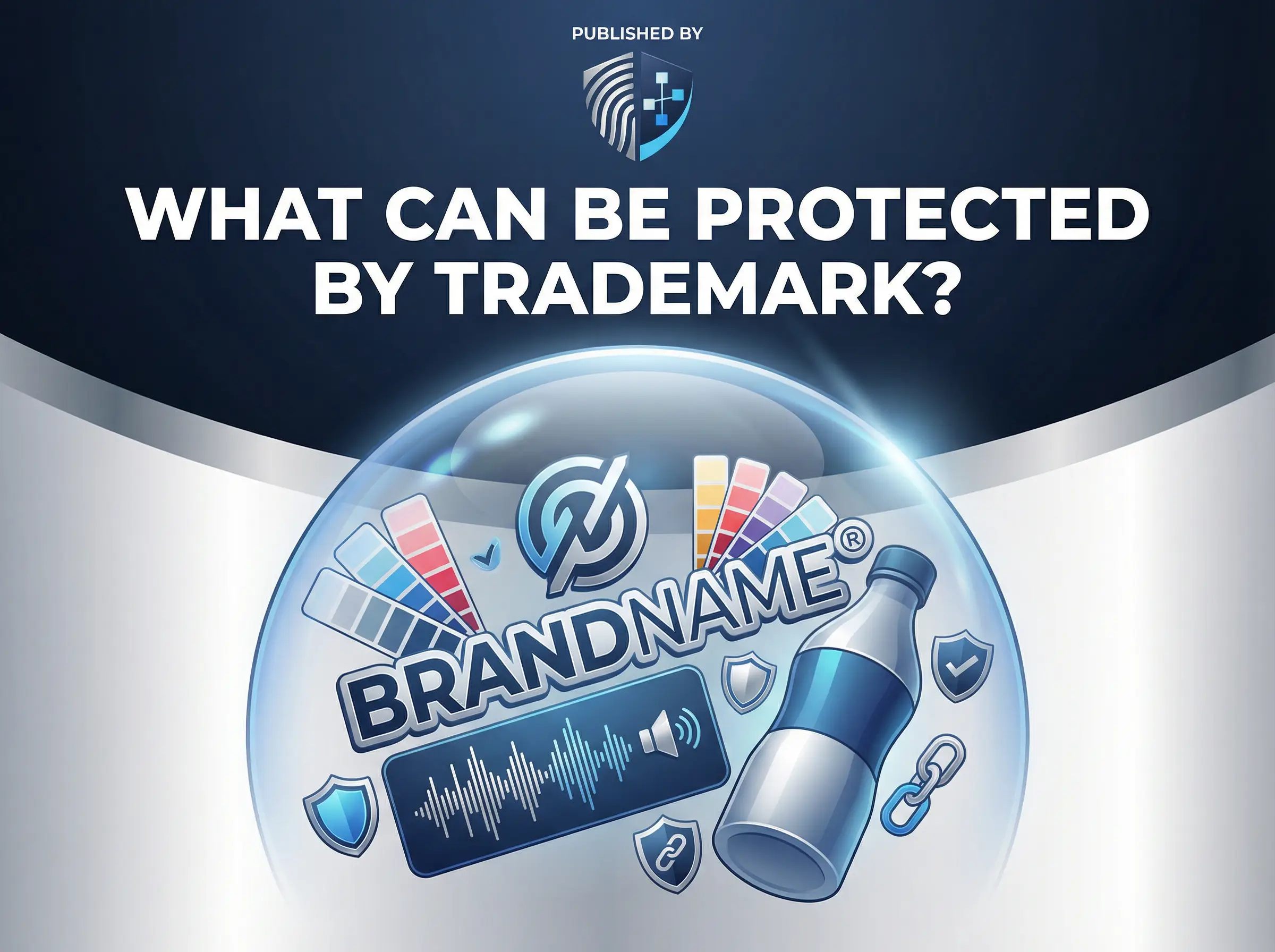
Trademark protection applies to distinctive signs that identify the source of goods or services. This includes names, logos, slogans, and sometimes non-traditional identifiers like sounds or colours, depending on context.
It does not protect products, ideas, functions, or purely descriptive terms. Most hesitation comes from assuming trademark protection is broader than it is. Understanding its role as a source identifier helps clarify what questions to ask next and why some marks qualify while others do not.
This clarity alone resolves much of the uncertainty people experience before filing or launching.