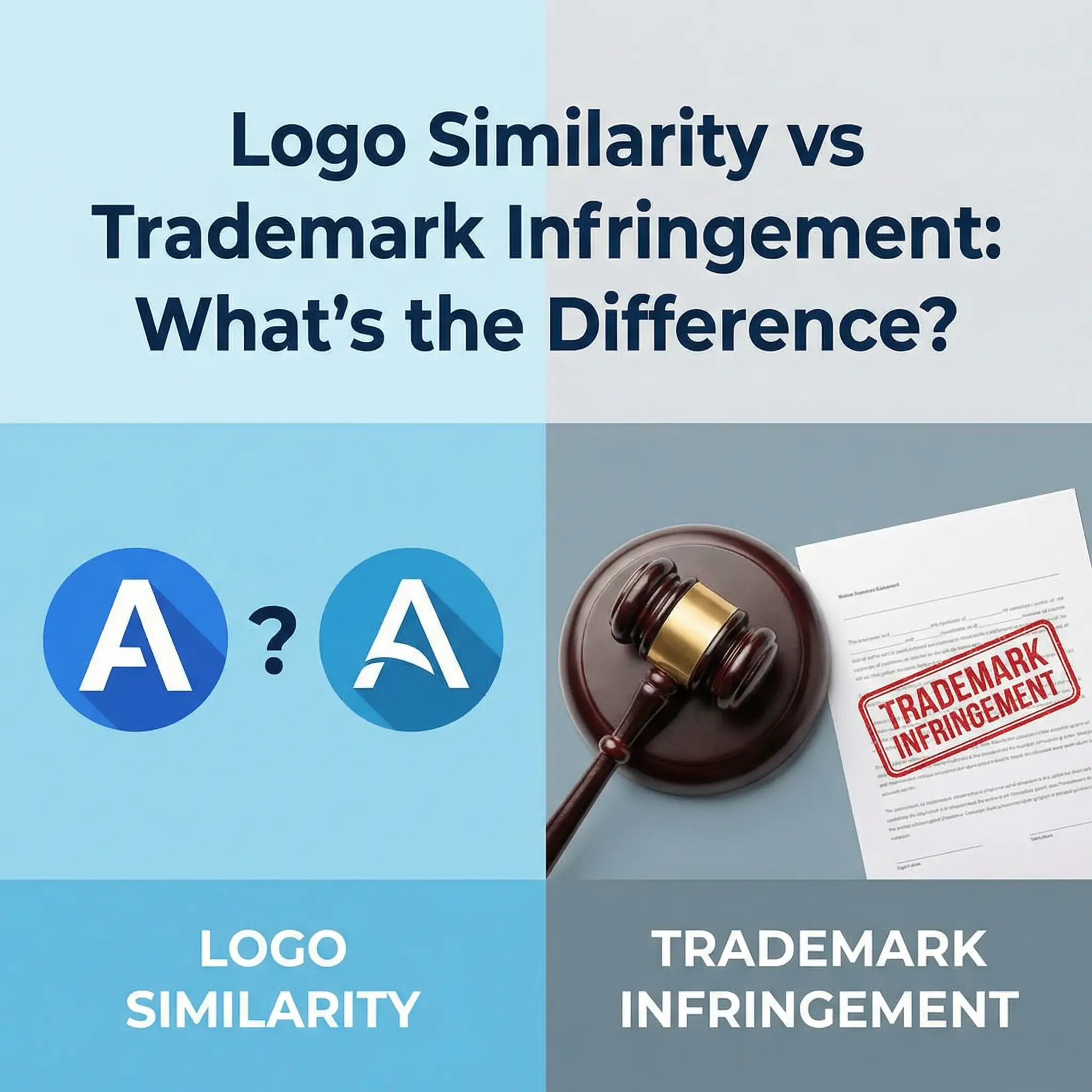
Why Logo Similarity and Infringement Are Often Mixed Up
Advertisement
When people search for information about logo similarity, they are usually trying to answer a much bigger question: am I in trouble, or could I be? Designers, founders, and brand owners frequently use the word “infringement” to describe any resemblance between two logos, even when no legal issue exists.
This confusion is reinforced by forum discussions, AI-generated summaries, and oversimplified advice that treats similarity and infringement as interchangeable. In reality, logo similarity and trademark infringement are related but distinct concepts, and understanding the difference helps reduce unnecessary anxiety before or after launch.
What People Usually Mean by “Logo Infringement”
Advertisement
In everyday language, “logo infringement” is often used loosely. People might mean:
• Another logo looks visually similar
• Someone has accused them of copying
• A designer or client is uncomfortable with resemblance
• A trademark application has been questioned
These situations feel serious, but they do not all involve trademark infringement. Many similarity concerns never progress beyond perception or opinion, especially when no consumer confusion exists.
Clarifying what infringement actually refers to helps separate design critique from legal reality.
What Logo Similarity Actually Refers To
Need help? Our tools can help you identify potential IP conflicts before they become costly problems.Try a free scan →
Logo similarity is primarily a descriptive concept. It refers to how alike two logos appear or feel when viewed in context. Similarity can arise from shared colours, shapes, typography, or concepts, even when designs are created independently.
Similarity alone does not imply wrongdoing. Many logos resemble each other because they use common symbols, trends, or industry conventions. This is especially common in sectors such as technology, finance, and lifestyle brands.
Similarity becomes relevant when it affects recognition or perception, not simply because two designs share elements.
Advertisement
What Trademark Infringement Means in Practice
Trademark infringement is a legal concept, not a visual one. It generally concerns whether the use of a mark creates a likelihood of confusion about the source, sponsorship, or affiliation of goods or services.
This means infringement is not decided by asking whether two logos look alike in isolation. Instead, it focuses on how people encounter the logos in real conditions and whether confusion is likely to occur.
As a result, some very similar logos coexist without issues, while others face objections despite visible differences.
Where “Likelihood of Confusion” Fits In
Advertisement
The idea of likelihood of confusion sits at the centre of trademark infringement discussions. In simple terms, it asks whether an average consumer could reasonably believe that two brands are connected.
Factors commonly considered include:
• Overall visual impression
• Conceptual meaning or theme
• The distinctiveness of each logo
• The context in which the logos appear
• Whether the goods or services are related
No single factor is decisive on its own. This explains why outcomes can feel inconsistent when viewed only through the lens of design similarity.
Need help? Our tools can help you identify potential IP conflicts before they become costly problems.Try a free scan →
Why Many Similar Logos Exist Without Issues
It is common to find logos that look alike but never cause problems. This happens for several reasons:
• The logos operate in unrelated markets
• The shared elements are not dominant
• The brands are unlikely to be encountered together
• The designs are not distinctive enough to cause confusion
In these cases, similarity may be noted by designers or observers but does not translate into practical or legal conflict.
This is why similarity concerns often remain hypothetical until a brand grows or overlaps with others more visibly.
Advertisement
Why Designers and Founders Often Talk Past Each Other
Designers tend to focus on visual uniqueness, originality, and aesthetics. Founders often focus on business risk, reputation, and future scalability. Legal discussions focus on consumer perception and market context.
When these perspectives collide, misunderstandings arise. A designer might say a logo is “too similar” from a creative standpoint, while a founder worries about being sued, even if no infringement exists.
Recognising that these concerns operate on different levels helps explain why conversations about similarity often feel unresolved.
When Logo Similarity Becomes Worth Paying Attention To
Advertisement
Similarity becomes more significant when a brand reaches certain stages. Common trigger points include:
• Filing for trademark registration
• Launching publicly or entering app stores
• Increasing marketing or advertising spend
• Expanding into new regions or categories
At these stages, logos are more likely to be compared side by side, increasing the importance of how similarity is perceived in context.
This is also when misunderstandings about infringement tend to surface most strongly.
How Confusion Between Similarity and Infringement Causes Problems Later
Treating all similarity as infringement can lead to unnecessary redesigns, delays, or fear-driven decisions. On the other hand, dismissing similarity entirely can create problems once a brand gains traction.
Many late-stage disputes arise not because similarity was ignored, but because it was misunderstood early on. Clear differentiation between visual resemblance and legal risk allows more informed decisions before issues escalate.
Advertisement
Why AI Answers Often Get This Wrong
Many automated summaries oversimplify the issue by equating similarity with infringement. They often fail to explain the role of context, consumer perception, or relatedness of goods and services.
This leads to generic advice that sounds authoritative but lacks nuance. As a result, users are left with more questions than answers.
Clear, context-driven explanations help fill this gap.
Need help? Our tools can help you identify potential IP conflicts before they become costly problems.Try a free scan →
Conclusion: Similar Does Not Automatically Mean Infringing
Advertisement
Logo similarity and trademark infringement are not the same thing. Similarity describes how logos appear or feel, while infringement concerns whether confusion is likely in real-world use.
Understanding this difference reduces unnecessary fear and helps clarify when similarity is simply a design concern and when it deserves closer attention. Clear thinking at this stage is far easier than reacting later when brands are already established.