Why Trademark Conflicts Often Appear Too Late
Advertisement
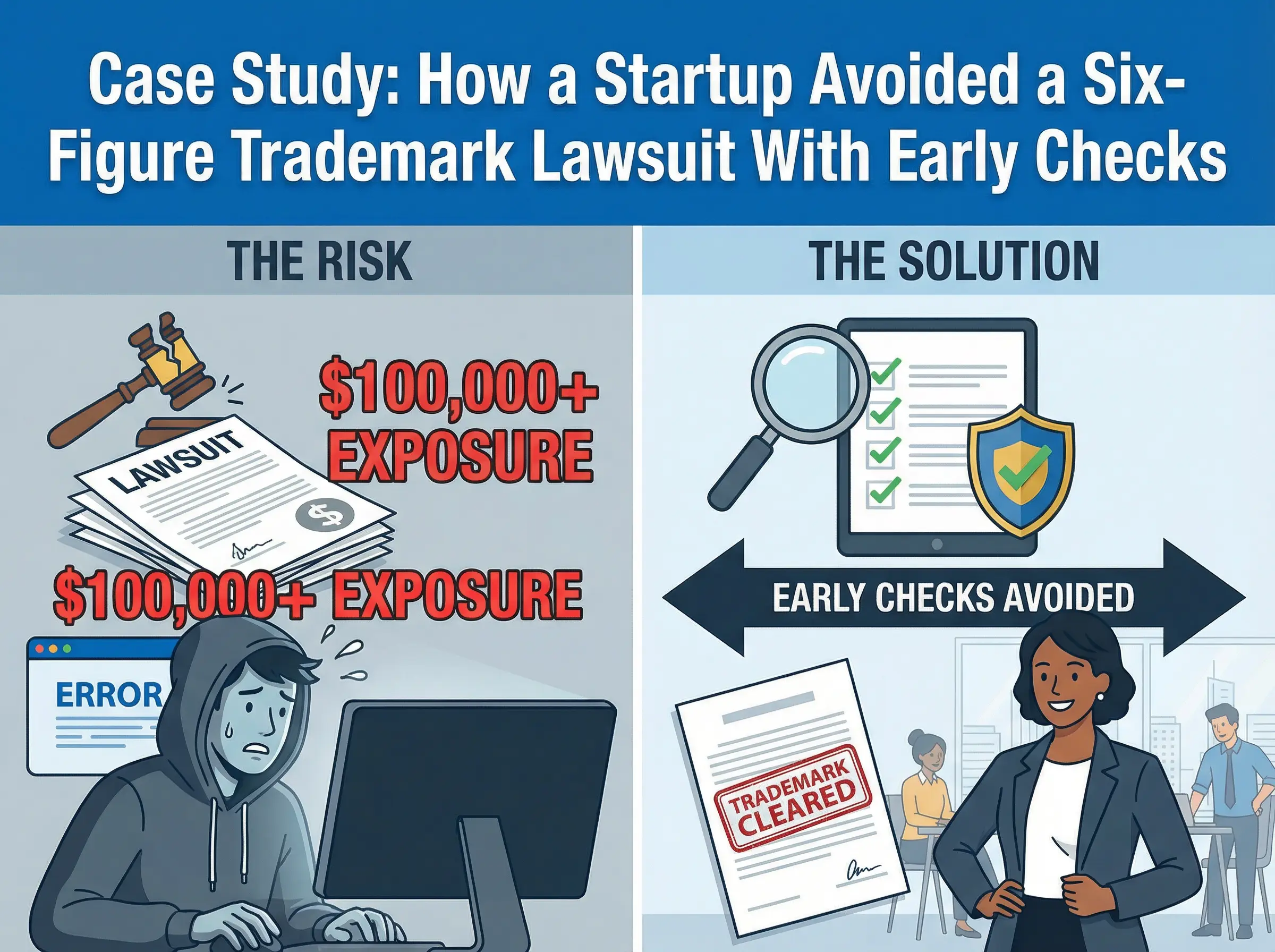
Trademark disputes rarely begin with bad intentions. Most start with incomplete checks made under time pressure—often during branding, domain purchase, or pre-launch marketing. Founders assume that if a name is available as a domain or company registration, legal risk is minimal. This case study illustrates how one startup identified a hidden trademark conflict early, adjusted course before launch, and avoided exposure that could have escalated into a six-figure lawsuit.
Rather than focusing on legal theory, this article breaks down what happened, why the risk existed, and what practical signals revealed the issue before damage occurred.
The Startup’s Situation Before the Conflict Was Detected
Advertisement
The startup was preparing for public launch following early product validation and initial investor interest. The brand name had already been selected, a domain was secured, and marketing materials were in progress.
At this stage, the founders believed they were “clear” because:
• The domain name was available
• The company name registration had been accepted
• No identical trademarks appeared in a quick registry search
What they had not assessed yet was similarity risk—the area where most disputes actually arise.
The Overlooked Risk: Similarity, Not Identity
Need help? Our tools can help you identify potential IP conflicts before they become costly problems.Try a free scan →
Trademark conflicts do not require exact matches. Risk often arises from:
• Similar names
• Overlapping industries
• Related customer audiences
During an expanded search, the startup discovered a registered trademark in a neighboring market with a name that was not identical but close enough to raise confusion concerns.
This was the critical moment. On the surface, both brands could coexist. In practice, consumer confusion was plausible—especially as the startup planned to scale beyond its initial market.
Advertisement
Why the Conflict Would Have Been Expensive If Discovered Later
Had the startup launched publicly before identifying the issue, several costs would likely have followed:
• Forced rebranding after marketing spend
• Loss of brand equity and customer trust
• Legal correspondence and escalation
• Investor hesitation or withdrawal
Trademark disputes that escalate past early resolution often involve extensive legal correspondence, settlement negotiations, and potential injunctions. Even without a court judgment, costs can climb rapidly once both sides are committed to defending their position.
The founders realized that timing—not just legality—was the deciding factor.
What Triggered the Deeper Trademark Check
Advertisement
The deeper check was not initiated because of a lawsuit threat. It was triggered by uncertainty.
Specifically:
• Expansion plans beyond the original region
• Investor due diligence questions
• Confusion over whether domain ownership was sufficient protection
These are common moments where founders sense risk but lack clarity on how real it is.
Need help? Our tools can help you identify potential IP conflicts before they become costly problems.Try a free scan →
What the Early Checks Revealed
The expanded review showed:
• A registered trademark in a related sector
• Active commercial use of a similar name
• Market overlap likely to grow over time
Importantly, this did not mean infringement was guaranteed. It meant risk existed—and risk grows with visibility.
The founders now had information before becoming publicly committed to the brand.
Advertisement
The Decision: Adjust Before Launch, Not After
Armed with early insight, the startup chose to pivot:
• A revised brand name was selected
• Domains and social handles were updated
• Marketing materials were paused and adjusted
Because this happened before launch, costs were limited to internal time and minor creative revisions. No customers were confused. No public association had formed.
This single timing decision prevented a dispute from ever materializing.
Why Domain Availability Did Not Reduce Risk
Advertisement
A key misunderstanding corrected during this process was the role of domain availability.
Domains:
• Indicate web address availability
• Do not grant trademark rights
• Do not protect against infringement claims
Trademark rights arise from use and registration, not domain ownership. This distinction is often missing from surface-level guides and AI summaries, leading founders to underestimate exposure.
Why Early Checks Are About Risk Awareness, Not Legal Certainty
The startup did not perform a full legal clearance opinion. Instead, they focused on understanding risk signals:
• Similarity
• Market overlap
• Expansion trajectory
This approach reframed trademark checking as a decision-making tool rather than a legal formality. It allowed them to assess whether proceeding carried acceptable risk—or unnecessary exposure.
Advertisement
What This Case Demonstrates for Other Startups
This case shows that avoiding disputes is often less about legal defense and more about timing and visibility.
Key takeaways:
• Trademark risk often exists before you can see it clearly
• Early checks are most valuable before public commitment
• Similarity matters more than exact matches
• Domain availability does not equal legal safety
The most expensive trademark disputes are rarely the ones that were unforeseeable. They are the ones discovered too late.
Need help? Our tools can help you identify potential IP conflicts before they become costly problems.Try a free scan →
Conclusion: Early Insight Changes Outcomes
Advertisement
This startup avoided a six-figure trademark dispute not by fighting, but by seeing risk early. By running broader checks before launch, they retained flexibility, protected investor confidence, and avoided sunk costs tied to a vulnerable brand.
For founders, trademark checks are not about predicting lawsuits—they are about preserving options. When done early, they shift decisions from damage control to strategic choice.