Why Logo Similarity Causes So Much Confusion
Advertisement
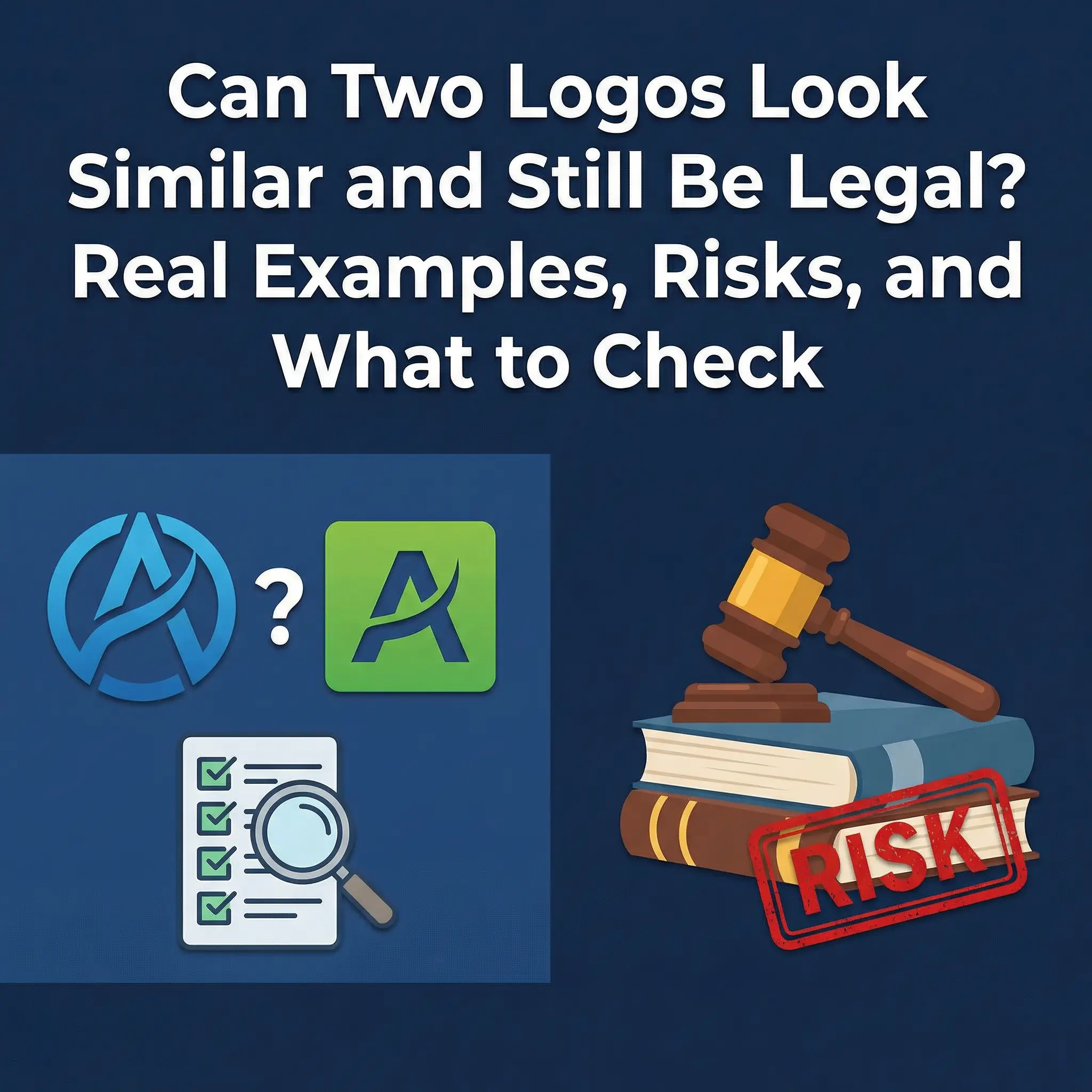
Logo similarity is one of the most misunderstood areas of branding. Many businesses assume that if two logos are not identical, they must be safe. Others worry that any resemblance at all could lead to legal trouble. In reality, similarity exists on a spectrum, and not every overlap leads to conflict.
This uncertainty is reflected in how often founders, designers, and brand owners ask whether two logos can look similar and still be legal. The answer is sometimes yes, sometimes no, and often depends on factors that are not obvious during design or early research.
Understanding how similarity is evaluated in practice can help reduce uncertainty before launch, rebranding, or expansion.
Can Two Logos Look Similar Without Causing Problems?
Advertisement
Yes, logos can look similar without automatically causing issues. Visual similarity alone does not always create risk. Many logos share common shapes, colours, or design styles because they follow trends or use universal symbols.
What matters is not whether two logos share elements, but whether those similarities create confusion about the source, identity, or relationship between the brands. Similarity becomes relevant when it affects how people perceive or remember a brand in real-world conditions.
This is why some very similar-looking logos coexist without conflict, while others face objections even when differences exist.
What “Similarity” Means Beyond Appearance
Need help? Our tools can help you identify potential IP conflicts before they become costly problems.Try a free scan →
Similarity is rarely assessed by comparing logos side by side in perfect conditions. Instead, it is often evaluated based on overall impression. This includes how logos are encountered in everyday use, such as on apps, packaging, websites, or advertisements.
Three dimensions are commonly discussed when similarity is analysed:
Advertisement
Visual similarity
This includes shape, layout, colour combinations, typography, and iconography. Even if details differ, dominant visual features can create a similar impression.
Conceptual similarity
Advertisement
Logos may convey the same idea, symbol, or theme, even if drawn differently. Shared concepts can contribute to perceived similarity.
Need help? Our tools can help you identify potential IP conflicts before they become costly problems.Try a free scan →
Contextual similarity
How and where logos appear matters. Similar logos used in overlapping markets or platforms are more likely to raise concerns than similar logos used far apart.
Understanding these dimensions helps explain why similarity is not purely a design question.
Advertisement
Why Some Similar Logos Are Allowed and Others Are Not
Many people assume similarity only matters within the same industry. While industry overlap is important, it is not the only factor. In some cases, similar logos used in different sectors still raise issues, especially if the brand is well known or if expansion is foreseeable.
Factors that often influence outcomes include:
• How distinctive each logo is
• Whether the shared elements dominate the design
• How likely it is that people encounter both brands
• Whether one brand could reasonably be mistaken for the other
These factors explain why outcomes vary widely even when logos appear equally similar on the surface.
Real-World Examples of “Almost Identical” Logos
Advertisement
There are many documented cases where logos that look strikingly alike coexist without dispute, and others where small similarities lead to objections or public scrutiny.
Some brands share near-identical symbols because they operate in unrelated spaces with limited audience overlap. Others face challenges because similarities emerge only after one brand gains visibility, press coverage, or scale.
These examples highlight an important pattern: similarity often becomes an issue after attention increases, not at the design stage itself.
Common Myths About Logo Similarity
Several misconceptions frequently appear in forums and AI-generated summaries:
Advertisement
“If I change the colours, it’s safe”
Colour changes alone rarely resolve similarity if the core shape or concept remains the same.
Need help? Our tools can help you identify potential IP conflicts before they become costly problems.Try a free scan →
“Different industries means no risk”
Advertisement
Industry separation helps, but it does not guarantee safety in every case.
“Only exact copies matter”
Exact duplication is not required for similarity concerns to arise.
Advertisement
“Reverse image search is enough”
Need help? Our tools can help you identify potential IP conflicts before they become costly problems.Try a free scan →
Basic image searches can miss conceptual and contextual overlap.
These myths often lead to false confidence during early brand development.
When Similarity Becomes Riskier Over Time
Advertisement
Similarity issues often emerge later rather than immediately. Common trigger points include:
• Launching a public-facing product or app
• Scaling marketing or advertising spend
• Expanding into new regions or categories
• Gaining press, partnerships, or platform visibility
At these stages, logos are more likely to be compared side by side, increasing the chance that similarities are noticed and questioned.
This is why early reassurance does not always prevent later disputes.
How to Think About Similarity Before It Becomes a Problem
Rather than asking whether a logo is “allowed” or “not allowed,” a more useful question is whether it could reasonably cause confusion in context. This shift in thinking helps move away from rigid rules and toward practical awareness.
Considering similarity early allows teams to assess risk before decisions become costly to reverse. It also helps clarify when further review or analysis may be useful.
Advertisement
Why Many People Still Feel Unsure After Reading Existing Guides
Most existing explanations fall into one of two extremes. Some are overly simplified, offering general advice without context. Others are heavily legal, focusing on doctrine rather than real-world perception.
What is often missing is a clear explanation of how similarity is evaluated in practice, using realistic scenarios rather than abstract definitions. This gap is why uncertainty persists even after research.
Conclusion: Similar Does Not Always Mean Problematic, but Context Matters
Advertisement
Two logos can look similar and still coexist without issue. At the same time, similarity that seems minor at first can become problematic as brands grow, overlap, or gain attention.
Understanding visual, conceptual, and contextual similarity helps reduce uncertainty before launch or expansion. Clarity at this stage is far easier to achieve than correction after similarities are challenged or questioned later.